
This is not a typical post – just a note on memory and place. Maybe it’s also about what really matters.
In “A Christmas Childhood”, Patrick Kavanagh evokes “the wonder of a Christmas townland, the winking glitter of a frosty dawn”. I see that place vividly as I look out on a grey Belgian day.
I find myself back in December childhood days in Galway: the farmer’s market under the shadow of the town clock; the last Christmas trees being haggled over; the final remnants standing forlornly like abandoned souls.
As children, we peered in the windows of the nearby, humble home of Nora Barnacle, unaware of its significance. On June 16, 1904, James Joyce went out with the young chambermaid from Galway. That date, now celebrated as Bloomsday, was later immortalised in Ulysses.
Barnacle’s influence runs through Joyce’s work in the form of an obsession with a boy Nora had known before she met him. Michael Bodkin died of tuberculosis when Nora was a teenager.
In 1912, during a brief stay in Galway, Joyce visited Bodkin’s grave in Rahoon Cemetery. Bodkin had serenaded the teenage Nora on a miserably wet, wintry night, and died soon after. Joyce carried that jealousy for the rest of his life, and it shapes some of his finest writing.
In “The Dead”, described by the New York Times as “maybe the finest story in the English language”, Joyce turns this jealousy into something universal. Here, Bodkin is recast as the tragic Michael Furey – the young boy who, long ago, sang a song that haunts the evening.
I have made the same walk that Joyce undertook, up the Shantalla Road to Rahoon Cemetery, many times. Family and friends – some gone far too soon – lie there, not far from the resting place of Michael Bodkin.
If Joyce’s meeting with Barnacle reminds us of anything, it is simply this: the dead remain with us. Their stories and legacy are part of who we are. We don’t need Joyce to tell us that, but his meeting with Nora in 1904, and what followed, records it as a kind of universal truth.
In Joyce’s closing of “The Dead”, Rahoon gathers together those we have lost and those of us who remain.
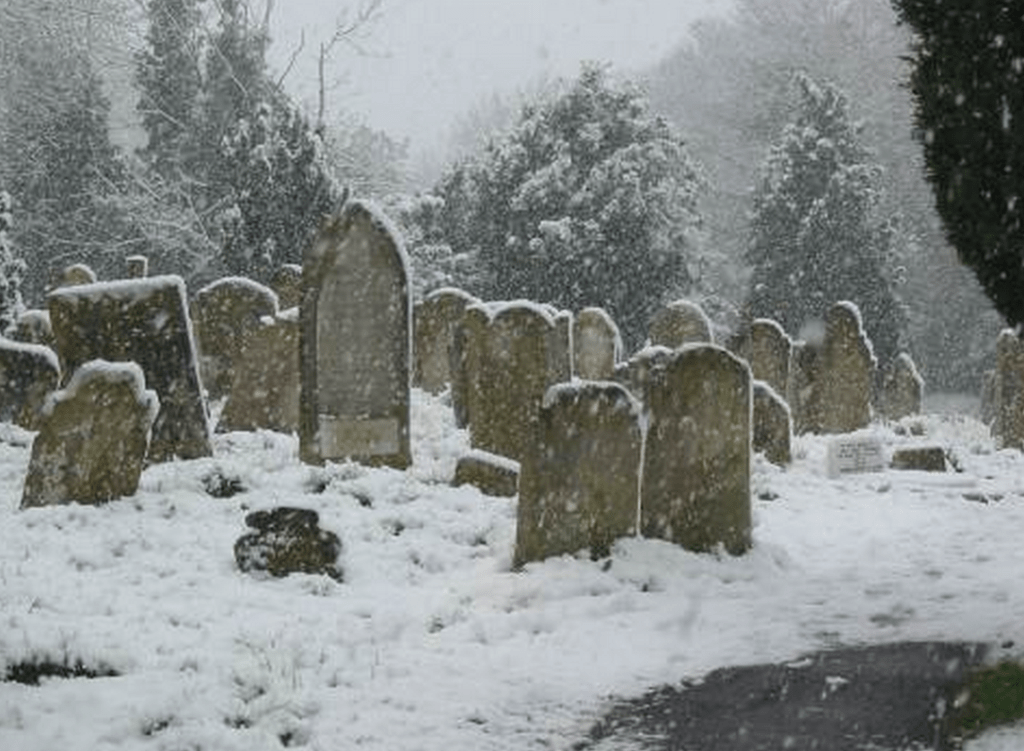
“Snow was general all over Ireland. It was falling softly … upon every part of the lonely churchyard where Michael Furey lay buried. It lay thickly drifted on the crooked crosses and headstones, on the spears of the little gate, on the barren thorns … falling faintly … upon all the living and the dead.”
So much of who we are is shaped by those we take the time to remember.
 maelstrom